Source-cited profile
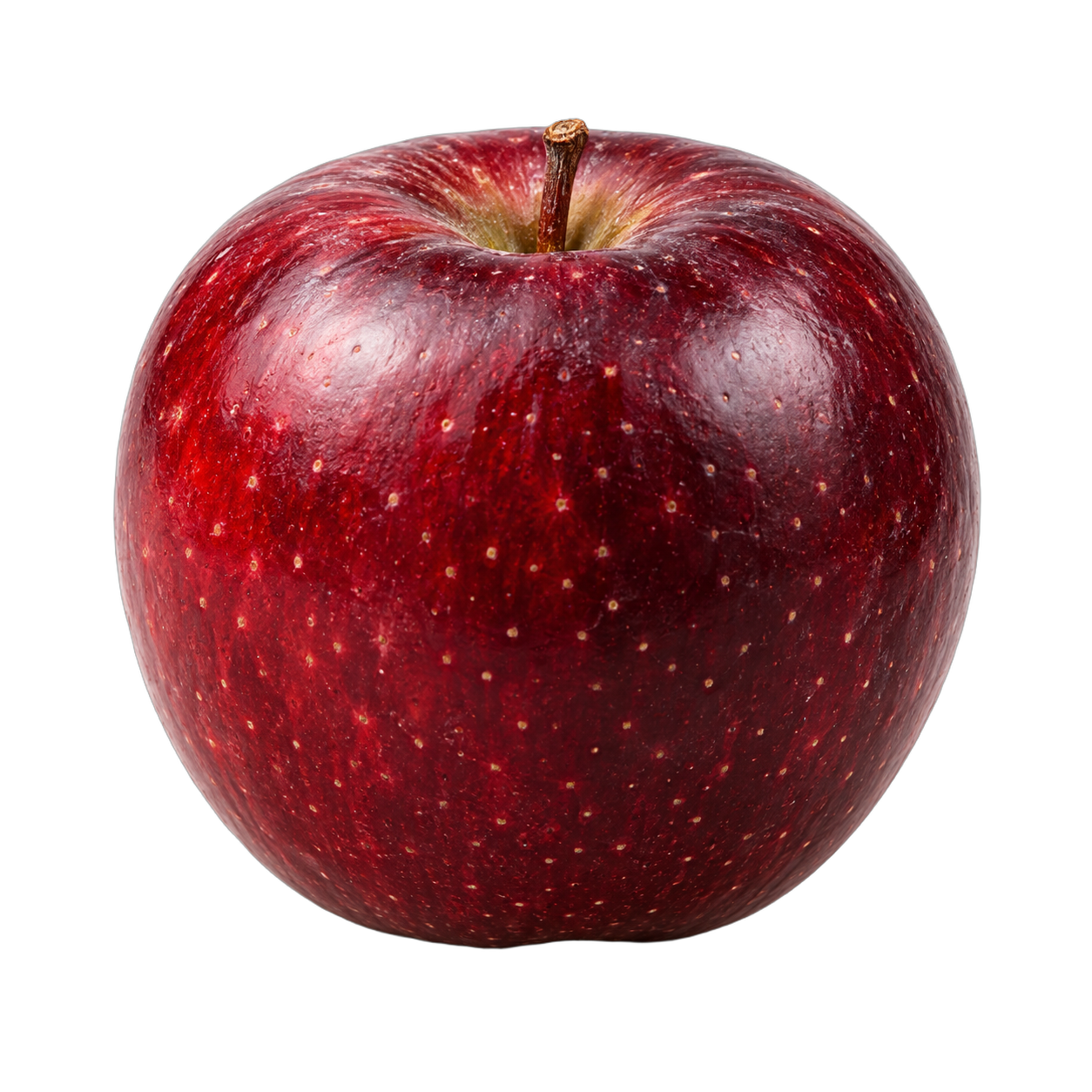
Arkansas Black
6 cited categories from 2 sources. Each claim below carries its source, and the region or conditions that source gives. Categories no admitted source covers are left out.
Cited profile evidence
Source wording is quoted as published. The history is an approved summary of its sources. A claim applies only within the scope shown with it.
Cited history
Identity and history
Cited summary
A heritage Arkansas apple associated with a tree first reported near Bentonville around 1870; its parentage is unconfirmed.
- Sources
- Encyclopedia of Arkansas, Arkansas Black Apple
- University of Arkansas System Division of Agriculture, Home Fruit Production
- Scope
- Identity and history only. These sources support no other field on this profile.
- Date
- 2026-01-12; second source accessed 2026-09-27
Skin and flesh
Source wording
“The flesh is yellow, fine grained, crisp, juicy, and aromatic, while the skin is dark red to black”
- Source
- Encyclopedia of Arkansas, Arkansas Black Apple
- Scope
- Ozarks of Arkansas and Missouri
- Date
- accessed 2026-09-27
Texture and flavor
Source wording
“The flesh is yellow, fine grained, crisp, juicy, and aromatic, while the skin is dark red to black”
- Source
- Encyclopedia of Arkansas, Arkansas Black Apple
- Scope
- Ozarks of Arkansas and Missouri
- Date
- accessed 2026-09-27
Stated uses
Source wording
“commonly used as fresh fruit to eat and in pies, cobblers, and table dishes”
- Source
- Encyclopedia of Arkansas, Arkansas Black Apple
- Scope
- Ozarks of Arkansas and Missouri
- Date
- accessed 2026-09-27
Regional harvest
Source wording
“It ripens in October or November”
- Source
- Encyclopedia of Arkansas, Arkansas Black Apple
- Scope
- Ozarks of Arkansas and Missouri
- Date
- accessed 2026-09-27
Conditioned storage
Source wording
“the storage season of two to four months”
- Source
- Encyclopedia of Arkansas, Arkansas Black Apple
- Scope
- Ozarks of Arkansas and Missouri; storage temperature/atmosphere is not stated by this source
- Date
- accessed 2026-09-27
This profile gives no nutrient values. For general handling and where apple nutrient data is published, see How to store apples and Apple nutrition.
Separate from the cited evidence
Editorial guide ratings
In the guide, Arkansas Black reads tart-leaning and crisp next to the other seven profiles. None of this section is cited, and nothing above depends on it.
Editorial guide ratings
- The 1–5 dot scale is relative editorial orientation for browsing these eight profiles against one another.
- It is not culinary consensus, a lab measurement, or a source-backed cultivar fact.
- Cited evidence is kept separate, and its source, scope, and date govern it.
- No result here proves suitability, availability, health, or storage outcome.
Guide ratings
Relative dots: 1 = lowest here, 5 = highest here
- Sweetness
- 2/5 (2 of 5, editorial guide rating)
- Tartness
- 4/5 (4 of 5, editorial guide rating)
- Crispness
- 5/5 (5 of 5, editorial guide rating)
- Juiciness
- 2/5 (2 of 5, editorial guide rating)
- Aroma
- 4/5 (4 of 5, editorial guide rating)
Guide shape
The same five ratings, charted
- Sweetness: 2 of 5, editorial guide rating
- Tartness: 4 of 5, editorial guide rating
- Crispness: 5 of 5, editorial guide rating
- Juiciness: 2 of 5, editorial guide rating
- Aroma: 4 of 5, editorial guide rating
At a glance in the guide
- Editorial keeping class
- Long keeping class Relative to the other seven, not a storage time or advice
- Editorial rarity
- 5 of 5 1 is the most familiar name here, 5 the least; not availability
- Editorial use tags
- Pie
- Cheese
- Cider
Browsing groupings, not tested uses


